
Essential Steps in HVAC Maintenance Essentials
- Thermochill HVAC
- Apr 3
- 4 min read

Maintaining your HVAC system is crucial for ensuring comfort, efficiency, and longevity. Regular upkeep prevents unexpected breakdowns and costly repairs. This guide will walk you through the essential steps to keep your heating, ventilation, and air conditioning system running smoothly all year round.
Understanding HVAC Maintenance Essentials
HVAC maintenance involves a series of routine checks and tasks designed to optimize system performance. These essentials include cleaning, inspecting, and replacing parts as needed. Proper maintenance not only improves air quality but also reduces energy consumption, saving money on utility bills.
Some key benefits of regular HVAC maintenance include:
Improved system efficiency: Clean and well-maintained components work better.
Extended equipment lifespan: Prevents premature wear and tear.
Enhanced indoor air quality: Removes dust, allergens, and pollutants.
Reduced repair costs: Early detection of issues avoids expensive fixes.
By following a structured approach, you can ensure your HVAC system remains reliable and effective throughout the seasons.
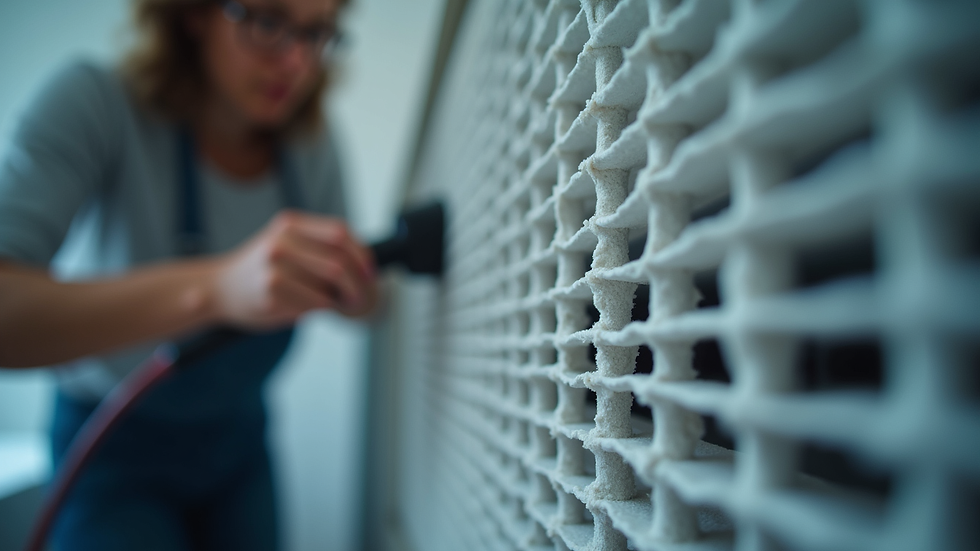
Key Components to Inspect During HVAC Maintenance
To keep your HVAC system in top shape, focus on inspecting these critical components regularly:
1. Air Filters
Air filters trap dust, pollen, and other airborne particles. Dirty filters restrict airflow, forcing the system to work harder. Replace or clean filters every 1-3 months depending on usage and filter type.
2. Thermostat Settings
Check that your thermostat is functioning correctly and programmed for optimal comfort and efficiency. Consider upgrading to a programmable or smart thermostat for better control.
3. Electrical Connections
Loose or corroded electrical connections can cause unsafe operation or system failure. Inspect wiring and tighten connections as needed.
4. Condensate Drain
Ensure the condensate drain is clear of clogs to prevent water damage and maintain humidity control.
5. Coils and Fins
Clean evaporator and condenser coils to improve heat exchange efficiency. Straighten bent fins to maintain proper airflow.
6. Lubrication
Lubricate moving parts such as motors and fans to reduce friction and wear.
7. Ductwork
Inspect ducts for leaks, blockages, or damage. Sealing leaks improves airflow and energy efficiency.
Regularly checking these components helps maintain system reliability and performance.
What maintenance is required on an HVAC system?
Performing routine maintenance on your HVAC system involves several specific tasks that keep it running efficiently and safely. Here are the most important maintenance activities:
Cleaning and Replacing Filters
Filters should be cleaned or replaced regularly to maintain airflow and air quality. Neglecting this can lead to system strain and poor indoor air.
Checking Refrigerant Levels
Low refrigerant can cause the system to underperform or freeze up. A professional should check and recharge refrigerant if necessary.
Inspecting and Cleaning Coils
Dirt on coils reduces heat transfer efficiency. Clean coils annually to maintain optimal performance.
Testing System Controls
Ensure the system starts, operates, and shuts off correctly. Faulty controls can cause unsafe conditions or energy waste.
Lubricating Moving Parts
Lubrication reduces friction and prevents premature wear on motors and fans.
Clearing the Condensate Drain
A clogged drain can cause water damage and increase humidity levels. Flush the drain line regularly.
Checking Ductwork
Seal leaks and clean ducts to improve airflow and reduce energy loss.
Inspecting Electrical Components
Tighten connections and check for signs of wear or damage to prevent electrical failures.
By following these maintenance steps, you can avoid costly repairs and extend the life of your HVAC system.

Seasonal HVAC Maintenance Tips
Different seasons require specific maintenance tasks to prepare your HVAC system for changing weather conditions.
Spring and Summer
Replace air filters more frequently due to increased usage.
Clean condenser coils and clear debris around outdoor units.
Test air conditioning performance and refrigerant levels.
Inspect and clean evaporator coils.
Fall and Winter
Check and test heating components such as furnaces or heat pumps.
Inspect and clean blower motors and belts.
Seal any duct leaks to prevent heat loss.
Test thermostat settings for heating mode.
Adapting your maintenance routine to the season helps maintain comfort and efficiency year-round.
DIY vs Professional HVAC Maintenance
While some HVAC maintenance tasks can be done by homeowners, others require professional expertise.
DIY Tasks
Replacing or cleaning air filters.
Clearing debris around outdoor units.
Checking thermostat settings.
Flushing condensate drains.
Professional Services
Inspecting and recharging refrigerant.
Cleaning coils and ducts thoroughly.
Testing electrical components.
Lubricating motors and fans.
Comprehensive system diagnostics.
Scheduling annual professional maintenance ensures your system is thoroughly checked and any potential issues are addressed early.
For a detailed and organized approach, consider using a hvac maintenance checklist to track all necessary tasks and inspections.
Maximizing HVAC System Efficiency
To get the most out of your HVAC system, follow these additional tips:
Seal windows and doors to prevent air leaks.
Use ceiling fans to improve air circulation.
Keep vents unobstructed for proper airflow.
Install a programmable thermostat to reduce energy use when away.
Schedule regular maintenance to catch problems early.
Implementing these strategies alongside routine maintenance will help reduce energy bills and improve indoor comfort.
By following these essential steps and maintaining a consistent schedule, your HVAC system will provide reliable, efficient service for years to come. Regular care not only protects your investment but also ensures a healthier and more comfortable living environment.


Comments